Rubber for construction is essential for bridges, viaducts, buildings and civil works. At Everest Rubber, we manufacture neoprene bridge bearings, structural supports, expansion joints and custom rubber products certified by SCT and ISO 9001. Our elastomeric bearings are designed to absorb thermal, seismic and live-load movements, with load capacity from 50 to 1000+ tons. ISO 9001 certified manufacturer with fast delivery across the USA.
Rubber for Construction
Rubber for construction. We are specialists in the manufacture of joints for civil construction works.
We supply standard and custom segments and flexible system products designed specifically to meet customer needs.
Construction Rubber and Construction Joints
Joints in civil works are a vital link between construction elements. The right type of joint must be chosen to withstand the colossal stresses imposed by the cyclical changes caused by heat, cold, traffic and loads.
Construction rubber can be used to achieve adequate results with an optimum cost-benefit ratio.
These joints are used in civil works to join two elements that are constantly expanding due to heat, contracting due to cold, vibrating with vehicular traffic or moving with the load they support. They can also be used to separate buildings to prevent them from colliding or reloading with each other during earthquakes or due to possible tilting over time.
Neoprene Bridge Bearings & Structural Supports
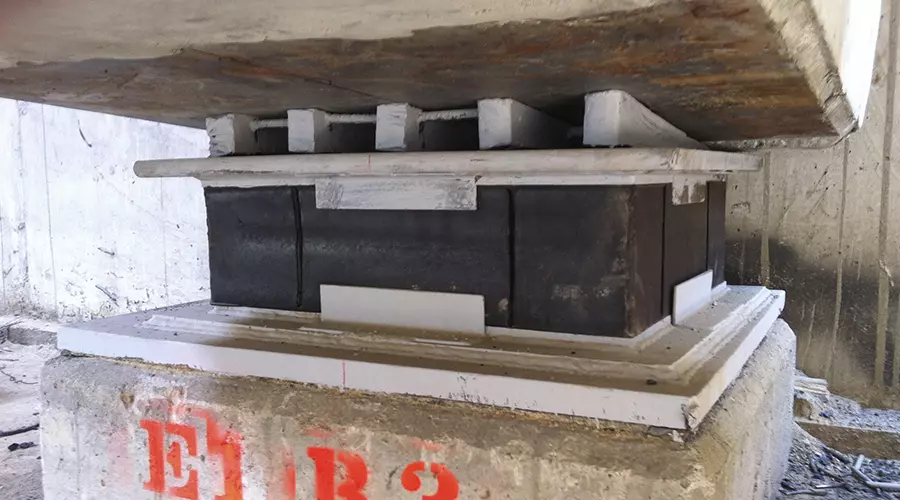
Neoprene bridge bearings (also called elastomeric bearings or structural supports) are high-density rubber elements placed between the bridge deck and the piers. Their function is to absorb thermal, seismic and live-load movements, distribute loads uniformly, and guarantee the durability and safety of road bridges, railway bridges, viaducts and buildings.
Our bearings comply with SCT (N-CMT-2-08/22), AASHTO LRFD, ASTM D4014 and EN 1337-3 standards. We manufacture plain elastomeric bearings, steel-laminated neoprene bearings, sliding bearings with PTFE, seismic isolators, fixed bearings and movable bearings.
For more information about our bridge bearing solutions, visit our specialized site Apoyos para Puente or see our neoprene rubber page.
Technical Specifications: Neoprene Bridge Bearings
| PARAMETER | SPECIFICATION |
|---|---|
| Hardness, Shore A | 60 ±5 (ASTM D2240) |
| Tensile Strength | 17.5 MPa / 2500 PSI (ASTM D412) |
| Elongation at Break | 350% (ASTM D412) |
| Permanent Deformation (22 hrs at 100°C) | 25% maximum |
| Tear Resistance | 45.1 N/mm |
| Self-Extinguishing Flame | ≤5 seconds |
| Ozone Chamber Resistance | No cracks (100 hrs at 38°C) |
| Service Life | >50 years with low maintenance |
Product Details: Rubber for Construction
| Concrete: | Rubber Development |
| Bridge supports rubber | Rubber Development |
| Rolls and sheets for different applications | Rubber rolls and rubber plates |
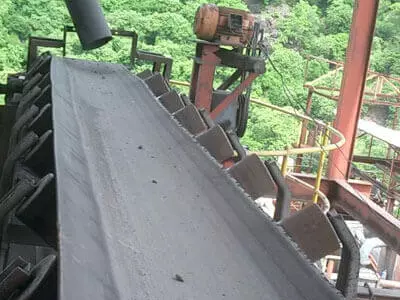
| Conveyor belt skirtboard | Skirtboard Rubber |
| Gym floors | Rubber flooring for gym |
| Weatherproof materials | Viton Rubber |
| Non flammable | Fire resistant rubber |
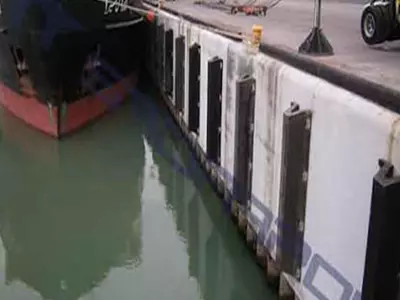
| Materials shock absorbing and filler | Products vibration control |
| EPDM | EPDM Rubber |
Another use is to cover the floor separations of multilevel parking lots to prevent water seepage or to provide continuity in the floor with joints between slabs.
Frequently Asked Questions about Rubber for Construction
What are neoprene bridge bearings?
Neoprene bridge bearings (also called elastomeric bearings or structural supports) are high-density rubber elements placed between the bridge deck and the piers. Their function is to absorb thermal, seismic and live-load movements, distribute loads uniformly, and guarantee the durability and safety of road bridges, railway bridges, viaducts and buildings. Our bearings comply with SCT, AASHTO, ASTM D4014 and EN 1337-3 standards.
What types of bridge bearings do you manufacture?
We manufacture several types of bridge bearings: plain elastomeric bearings (without reinforcement, for light loads), steel-laminated neoprene bearings (200-1000+ tons), sliding bearings with PTFE (for large movements ±100-500 mm), seismic isolators (high energy dissipation for seismic zones), fixed bearings (allow rotation, restrict horizontal movement), and movable bearings (allow controlled displacement).
What is the load capacity of your neoprene bridge bearings?
Our neoprene bridge bearings are designed to support from 50 to 1000+ tons, depending on the configuration. Standard configurations include: 2.0 cm (without reinforcement), 2.5 cm (2 steel plates), 4.1 cm (3 steel plates), 5.7 cm (4 steel plates), 7.3 cm (5 steel plates), 8.9 cm (6 steel plates). Each bearing is validated with a certified press test (Module G test).
What are the technical specifications of your neoprene bridge bearings?
Our neoprene bridge bearings have the following specifications: Shore A hardness 60 ±5 (ASTM D2240), tensile strength 17.5 MPa (2500 PSI, ASTM D412), elongation at break 350% (ASTM D412), permanent deformation 25% max (22 hrs at 100°C), tear resistance 45.1 N/mm, self-extinguishing flame ≤5 seconds, ozone chamber resistance without cracks (100 hrs at 38°C). Service life over 50 years with low maintenance.